
Latest note
6 min read
A practical guide to sustainable AI
A step-by-step framework for deciding when to use AI, choosing models, reducing waste, improving infrastructure and reporting impact honestly.
Read the note →Journal
Clear notes on useful AI, energy, memory and the choices behindTreechat.
Latest note
A step-by-step framework for deciding when to use AI, choosing models, reducing waste, improving infrastructure and reporting impact honestly.
Read the note →
A clear student guide to AI energy, water and carbon—plus practical ways to use AI thoughtfully without panic or greenwashing.

Help students discuss AI energy, water and carbon with evidence, uncertainty and practical classroom activities—not guilt or false precision.
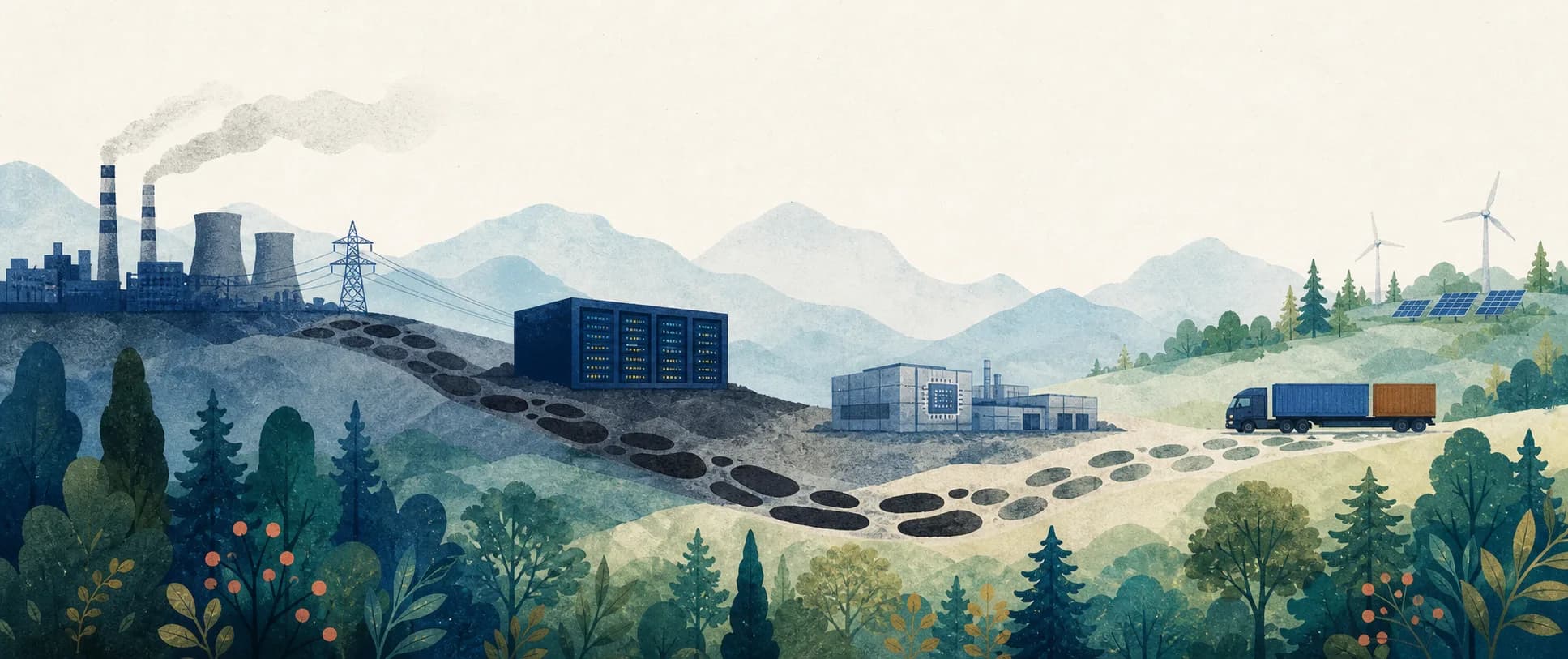
AI’s carbon footprint includes electricity, chips, buildings and supply chains. The result depends on boundaries, grids and carbon-accounting choices.

Clear answers to common questions about AI energy, water, carbon, data centres, model choice and tree planting—with uncertainty kept visible.
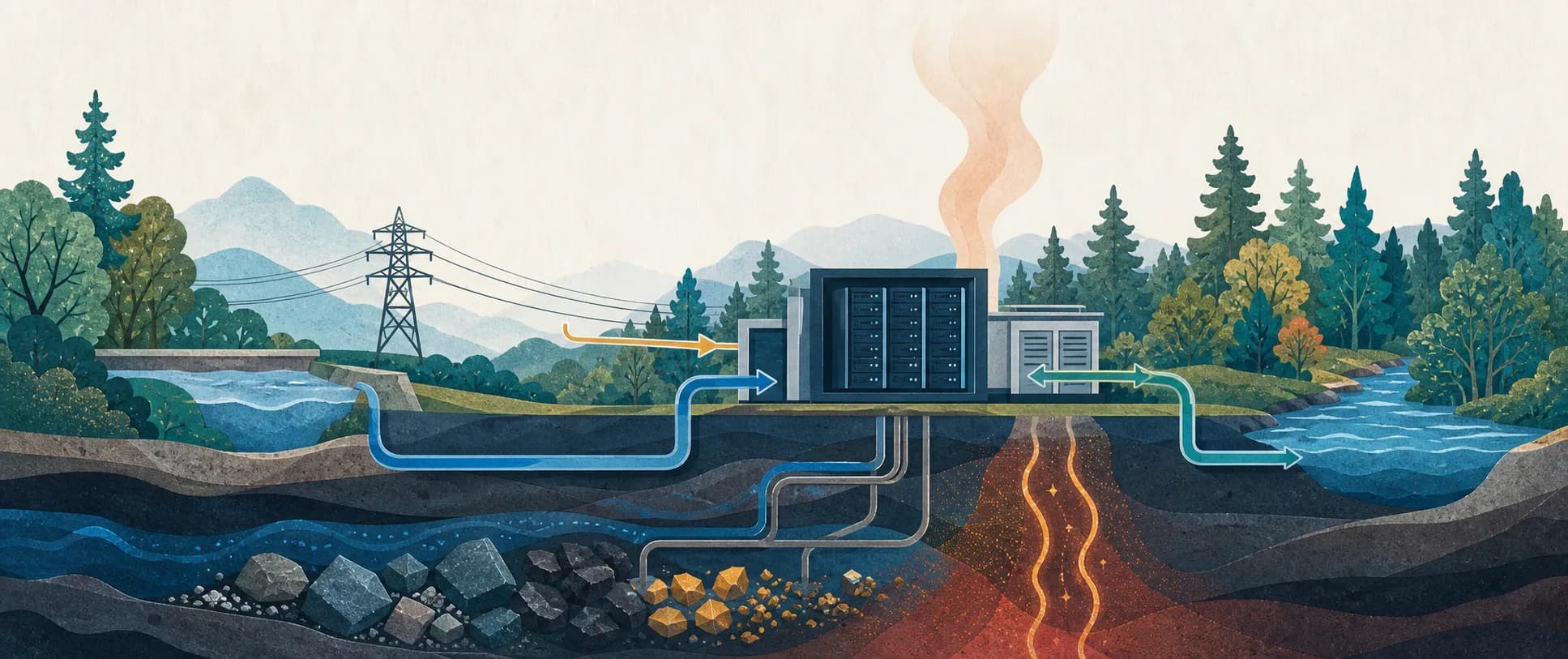
A clear guide to AI's energy, carbon, water and hardware footprint—and the boundaries behind the numbers you see.
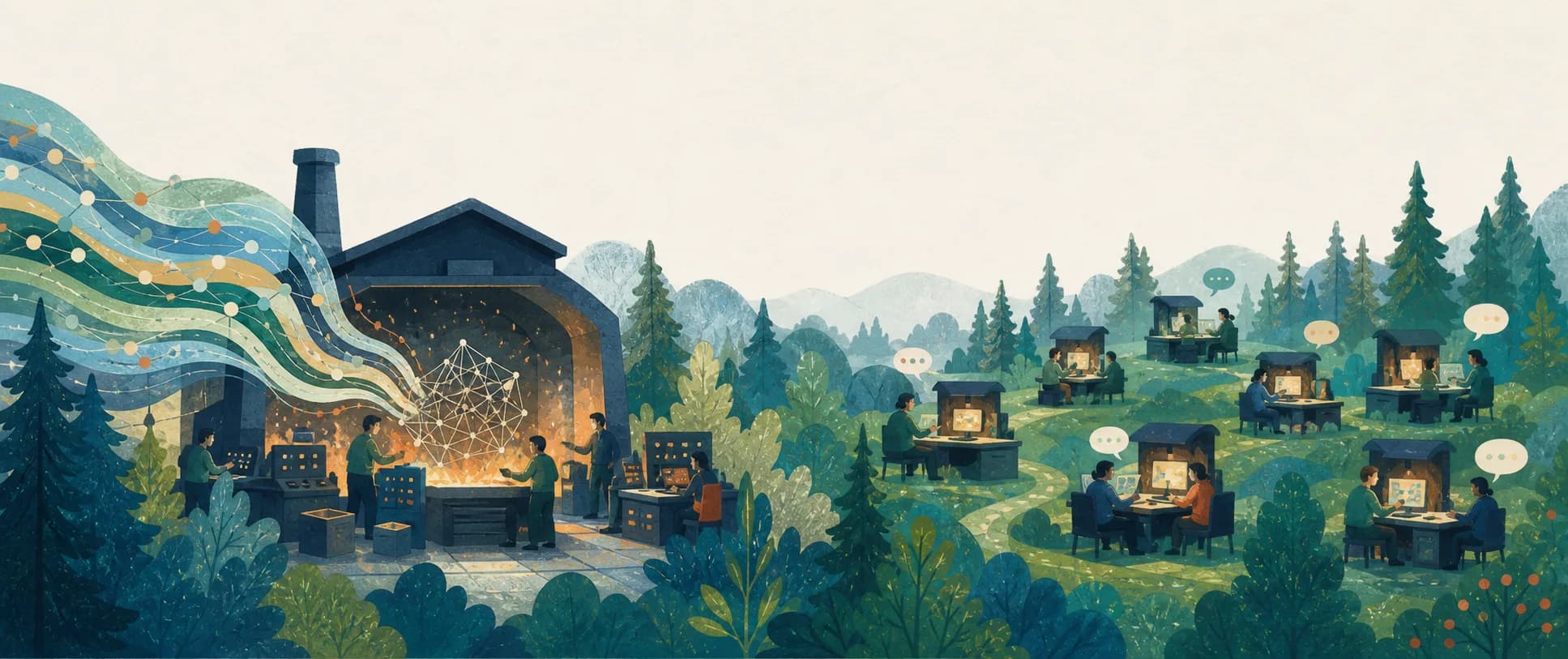
Training creates the model in a concentrated burst; inference serves it repeatedly. Which emits more depends mainly on lifetime use and electricity.

The famous 10-times comparison mixes an old search figure with changing AI estimates. A fair comparison depends on the task, system and year.
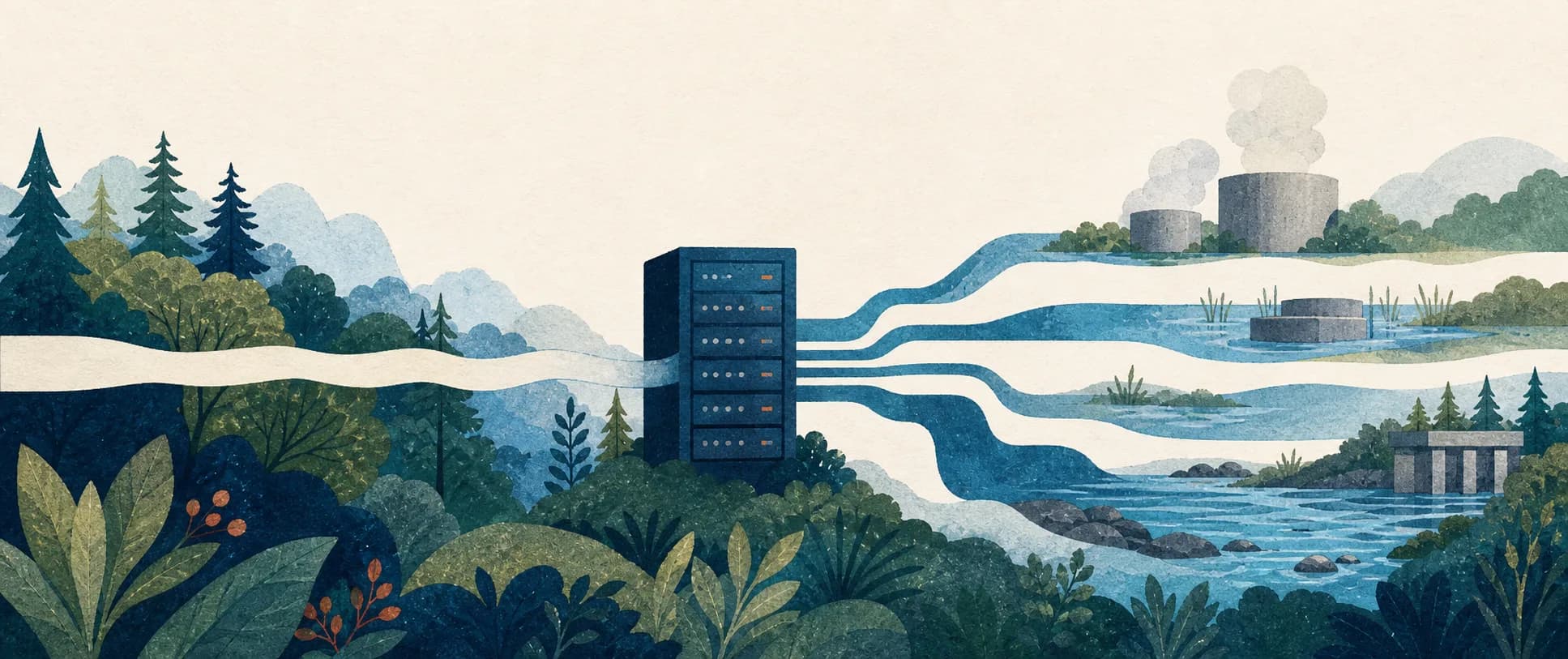
AI water estimates range from 0.26 ml to tens of millilitres per text query. The gap comes from systems, locations and accounting boundaries.

Compare published AI water estimates with a bottle, shower and household use—without confusing modelled allocations with direct consumption.
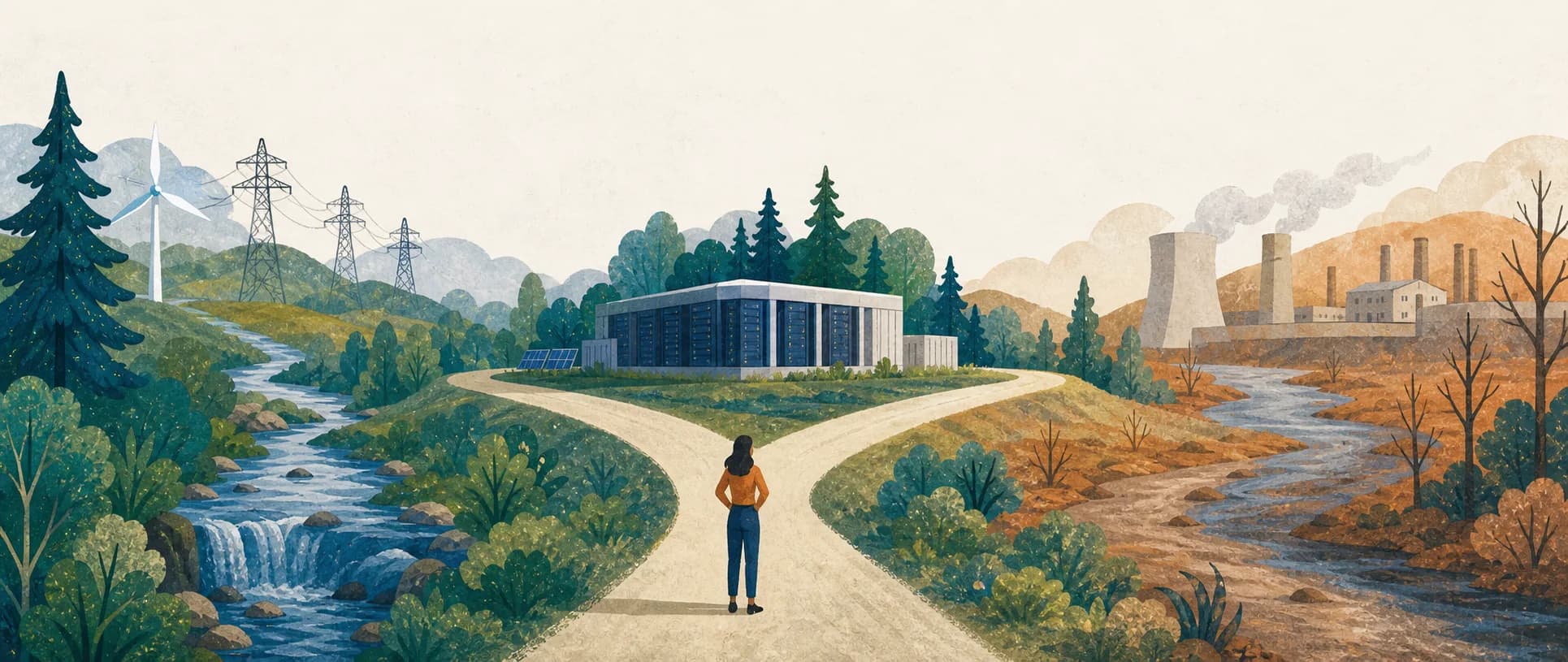
AI data centres can strain electricity and water systems, but impacts depend on design, location, energy and what the computing achieves.
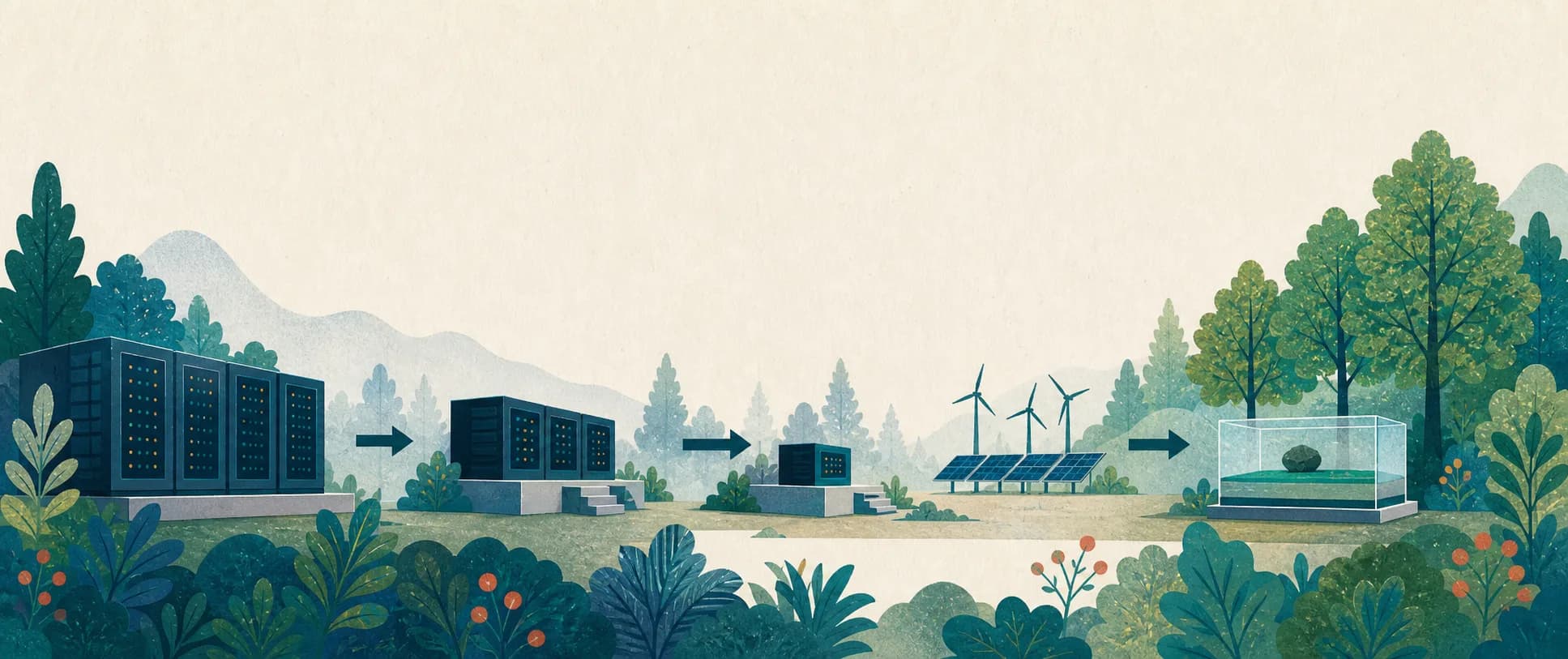
AI can be called carbon neutral under defined accounting, but computation is never impact-free. Reduction, clean power and credible removals all matter.
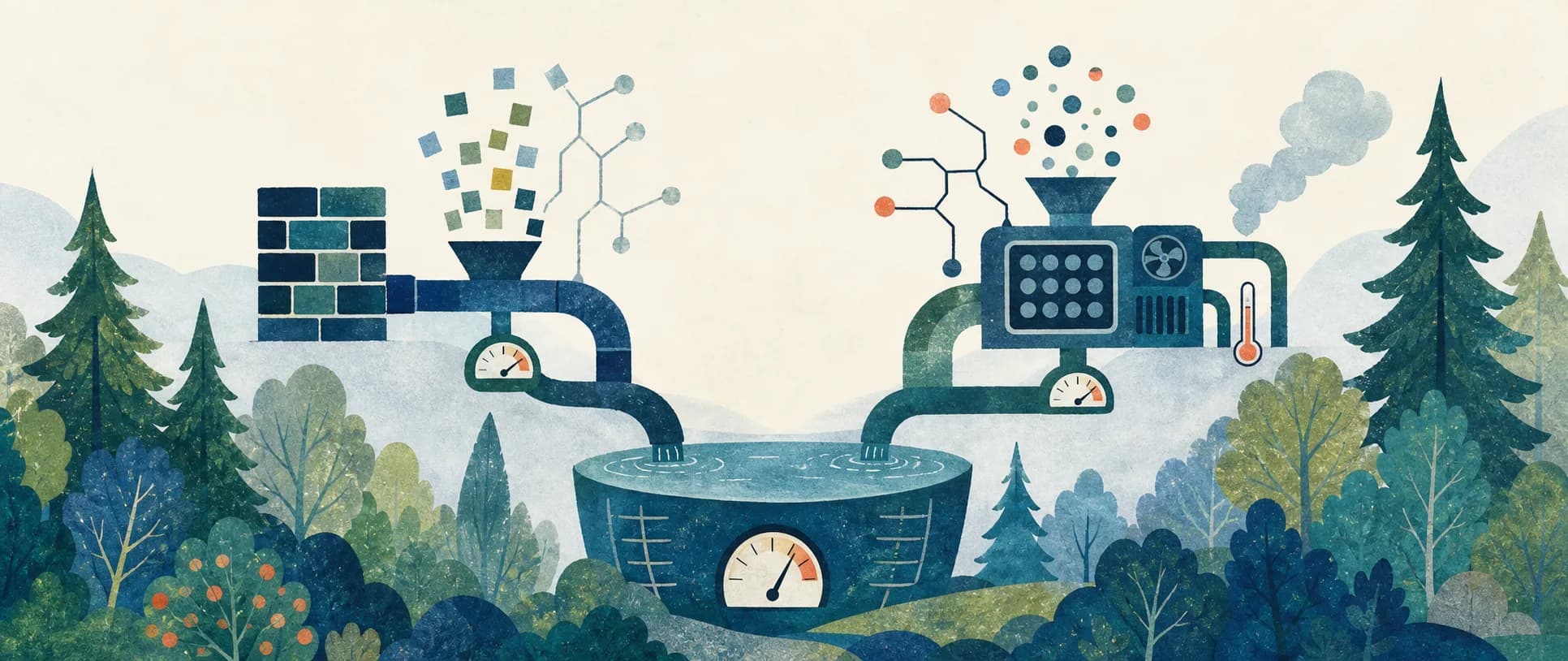
No current public data supports a clean ChatGPT-versus-Google-Search water ratio. Here is what is known and why popular comparisons fail.
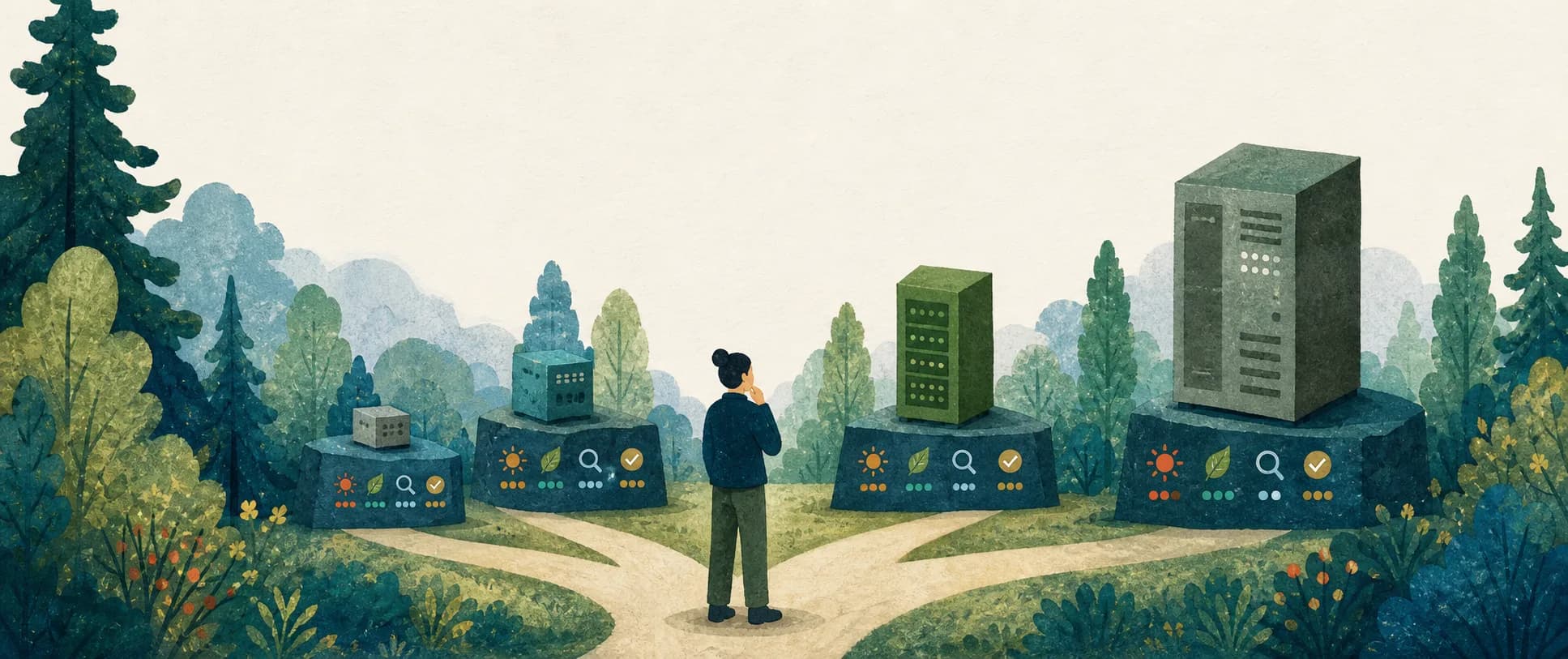
Choose a lower-energy AI assistant by comparing task success, model size, prompt and output length, system boundaries and provider disclosure.
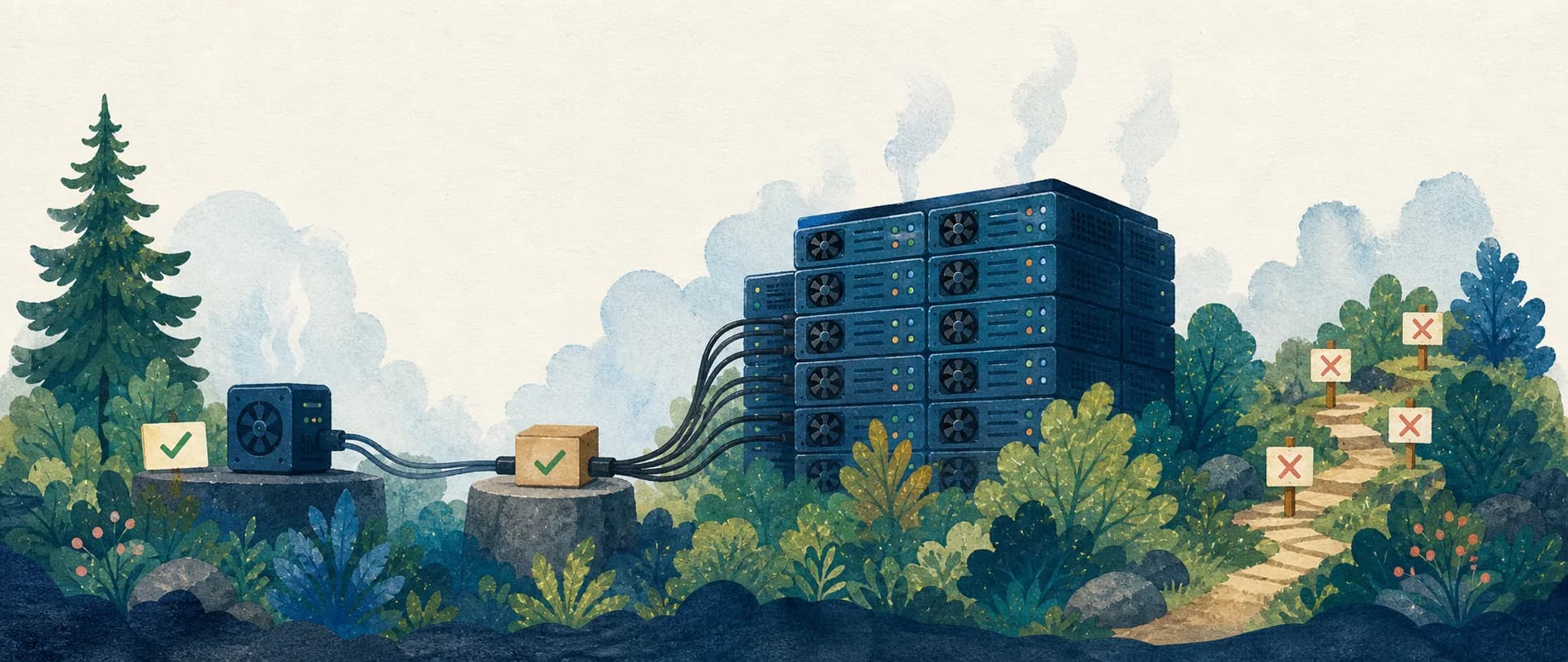
Usually, yes—but parameter count is not a power meter. Architecture, hardware, tokens, batching and whether the model completes the task all matter.
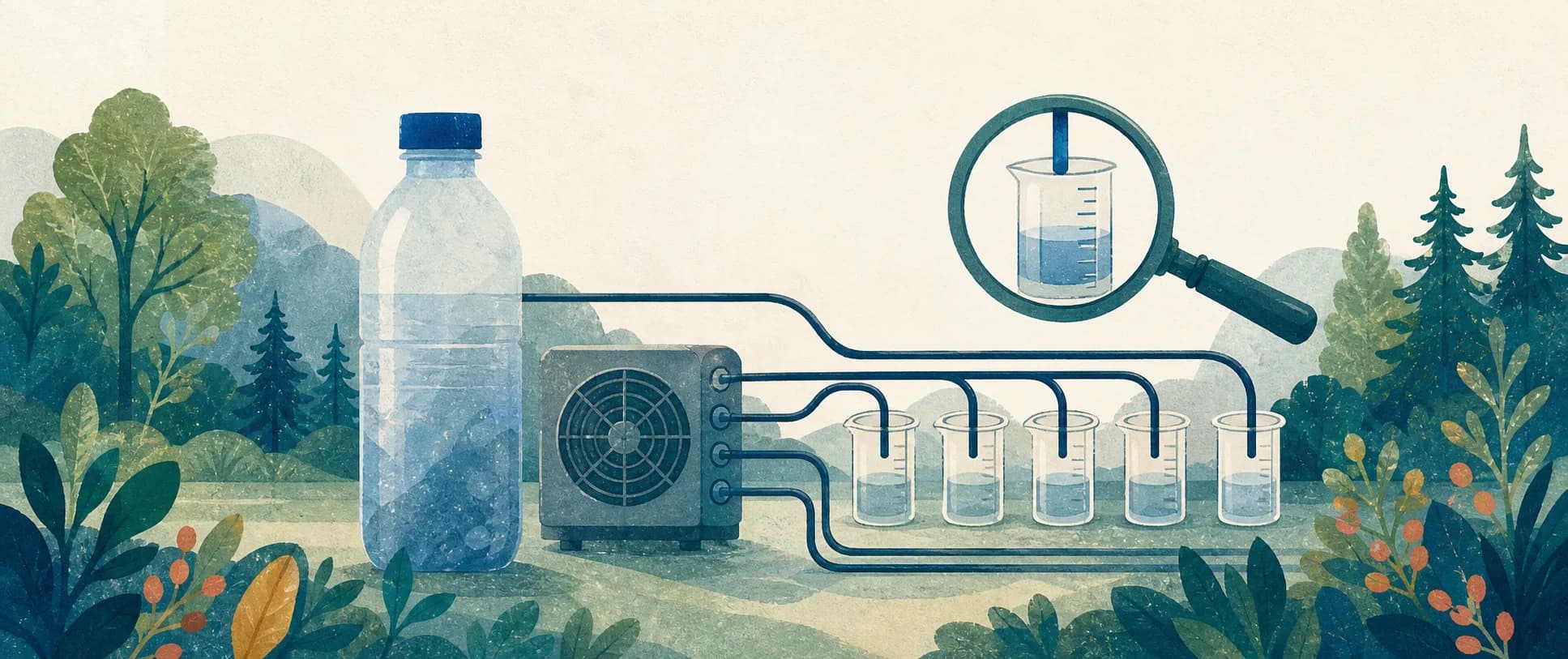
No: the original research estimated one 500 ml bottle for 20–50 responses, not one message. Newer figures are lower but count differently.

Yes: sending a thank-you message triggers another inference. The cost is usually small, and courtesy is not the main AI energy problem.

A myth audit of AI energy, water and carbon claims: what is supported, what is outdated and what remains genuinely concerning.
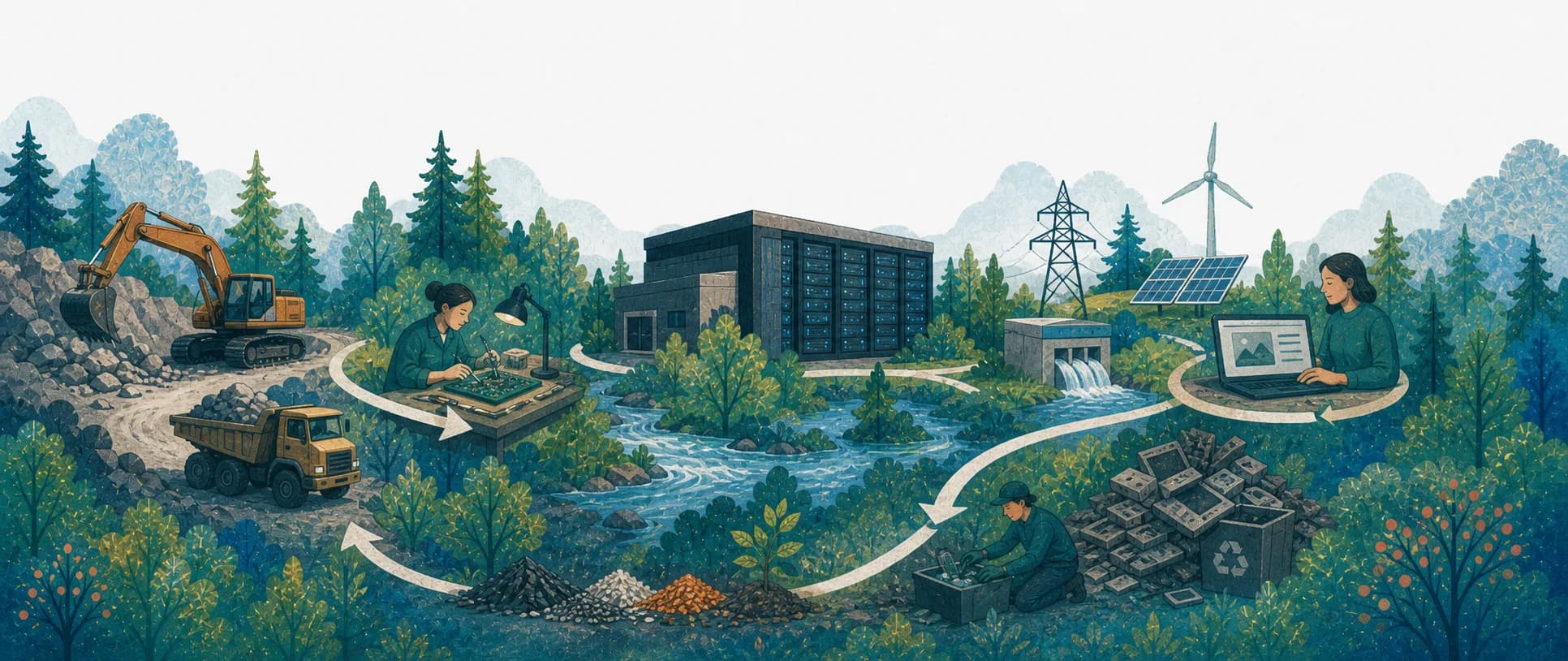
AI affects electricity, carbon, water and material use across its life cycle. Learn where the impacts occur and how to judge them.
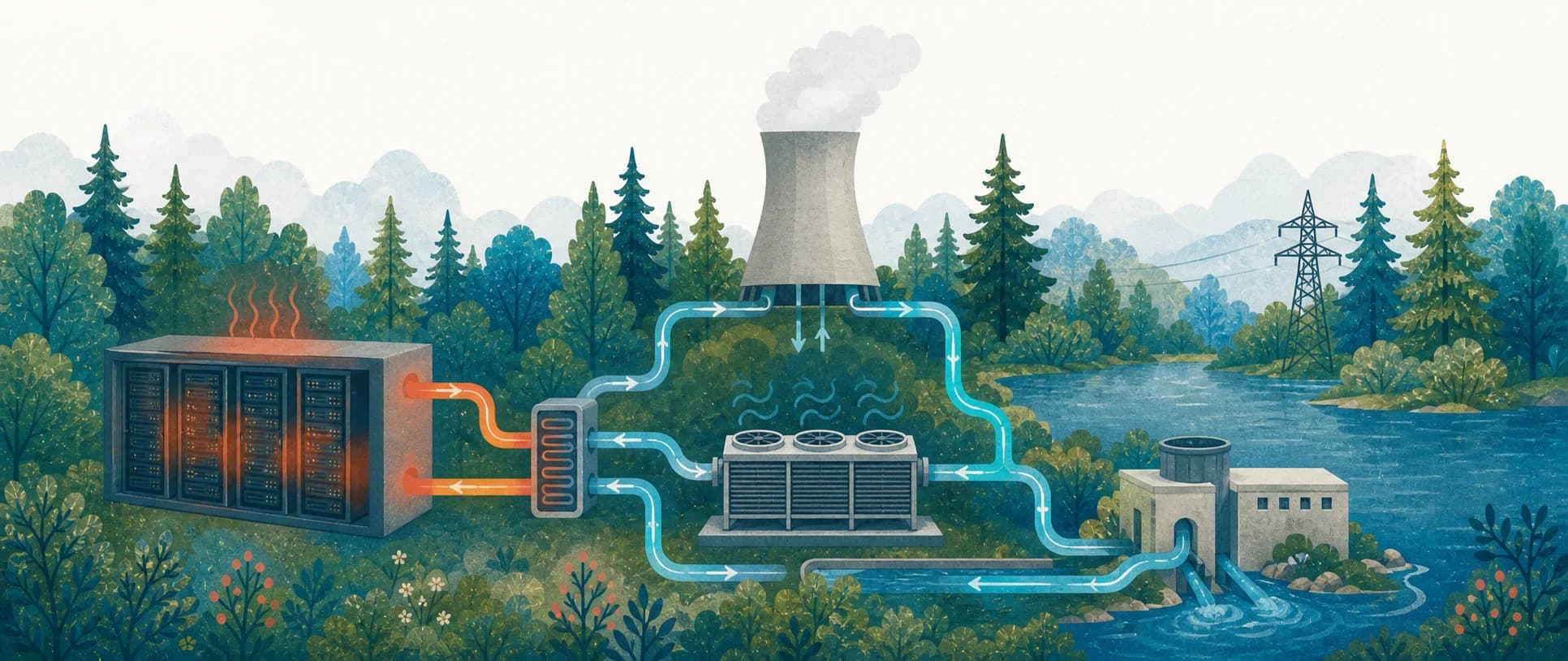
AI uses water for data-centre cooling, electricity generation and chip production. Learn what per-query estimates include and miss.

There is no honest fixed number of trees per AI prompt. Learn what must be measured before AI emissions and woodland carbon can be compared.
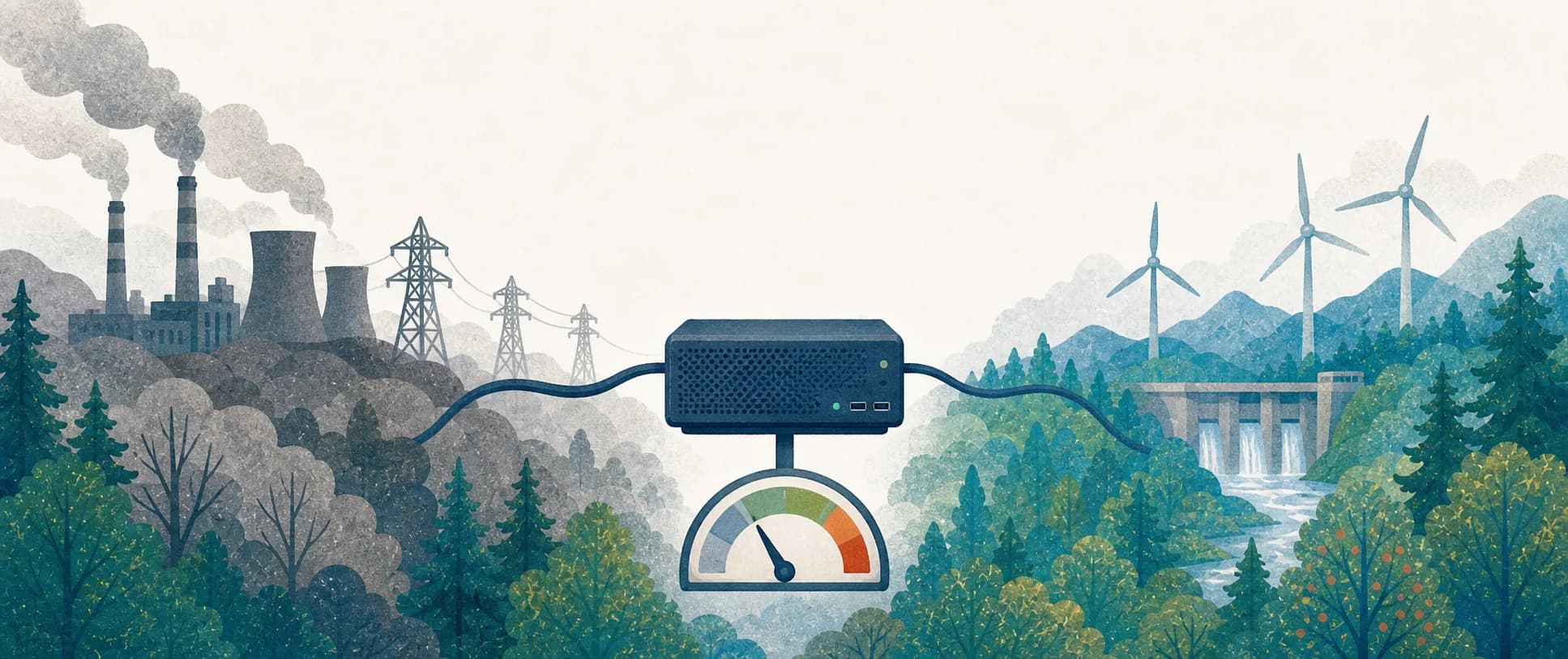
There is no universal grams-per-prompt figure. AI emissions depend on electricity, grid carbon intensity and whether training and hardware are counted.
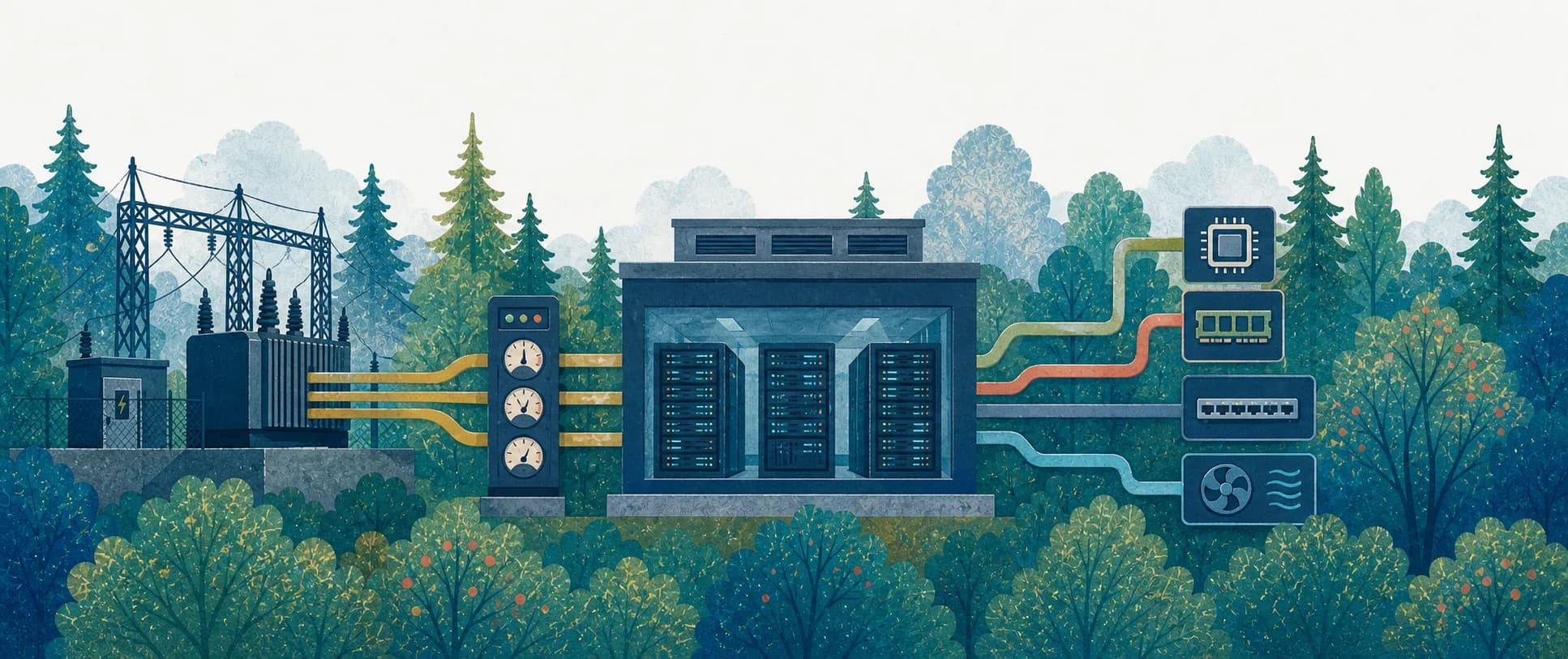
AI electricity use has no single meter. Here is what global data-centre totals tell us, what they leave out and how to read the forecasts.
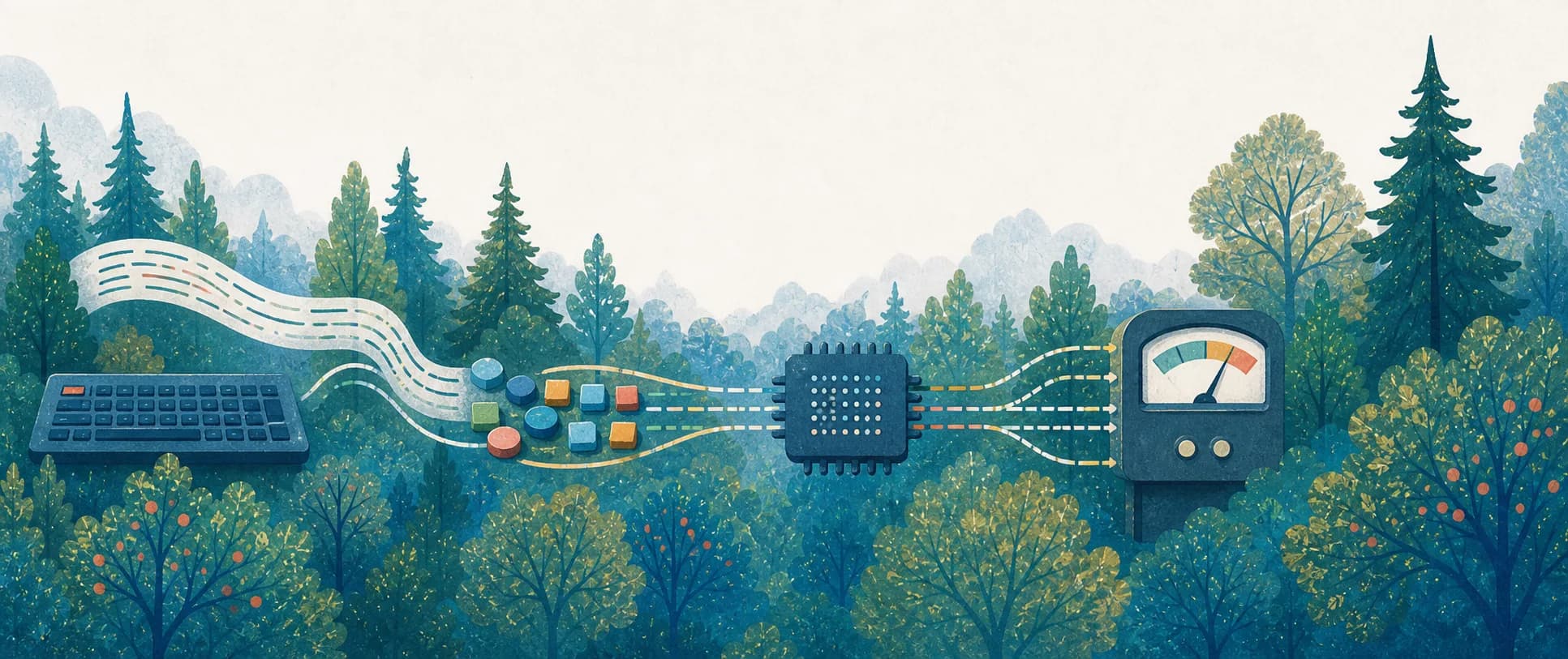
The honest answer is a range, not a single number. Here is what is public, what is estimated and what gets left out.
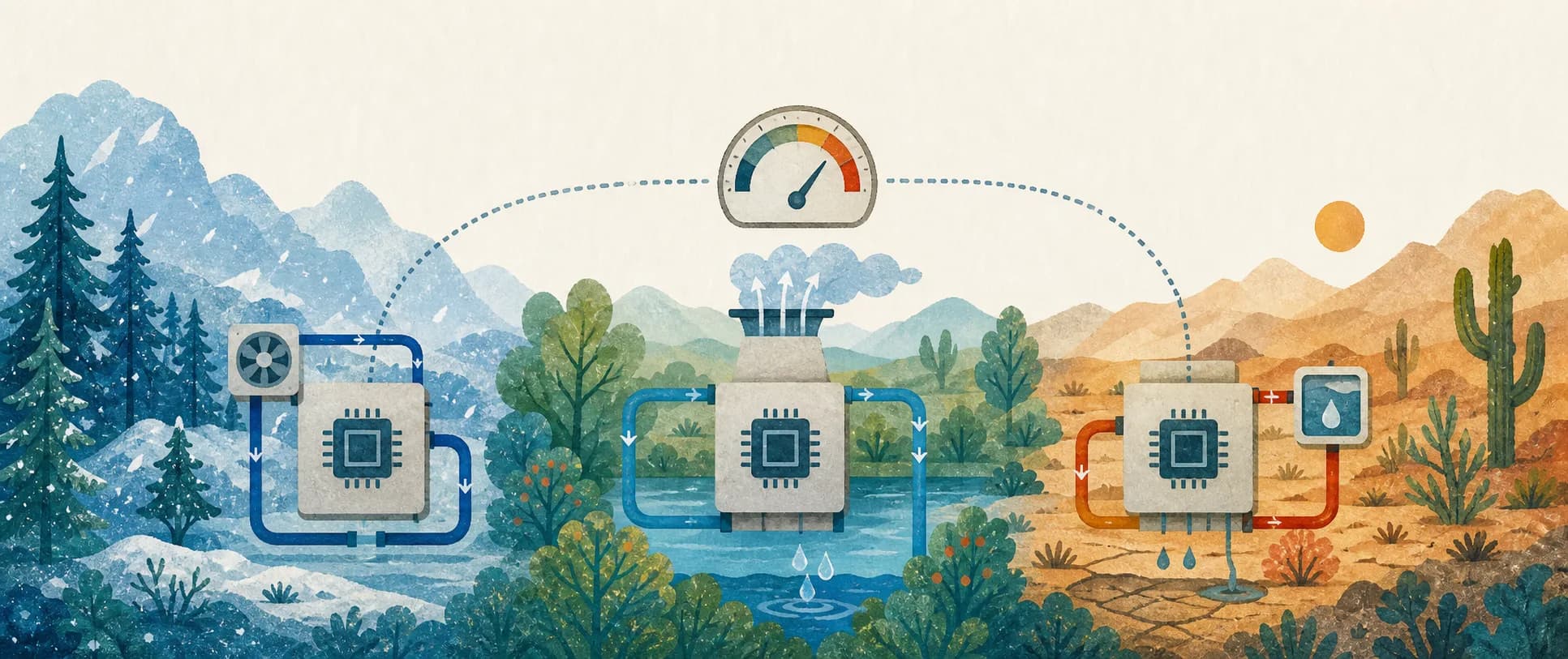
Public estimates for ChatGPT range from fractions to tens of millilitres per query. Here is why they conflict and what each counts.
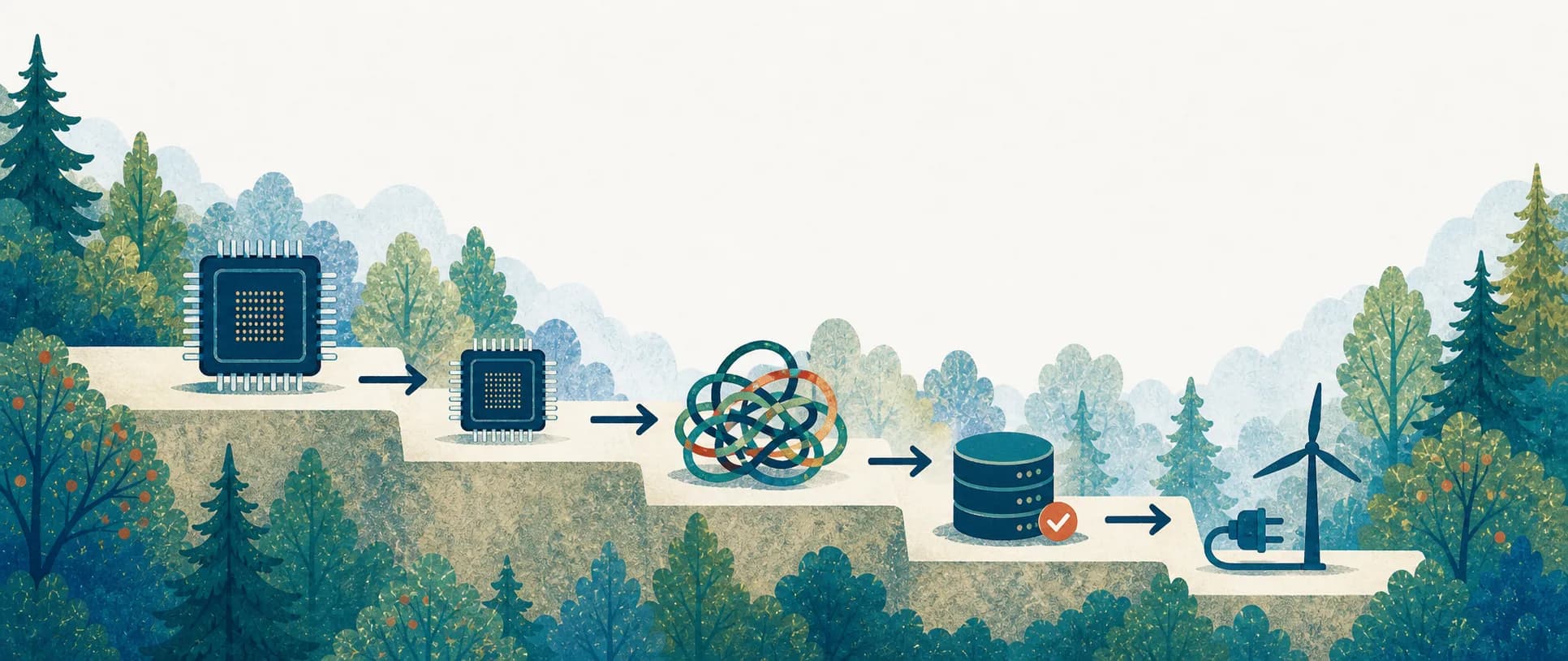
Use the smallest capable model, limit unnecessary computation and favour transparent, lower-carbon services. Here is a practical order of action.
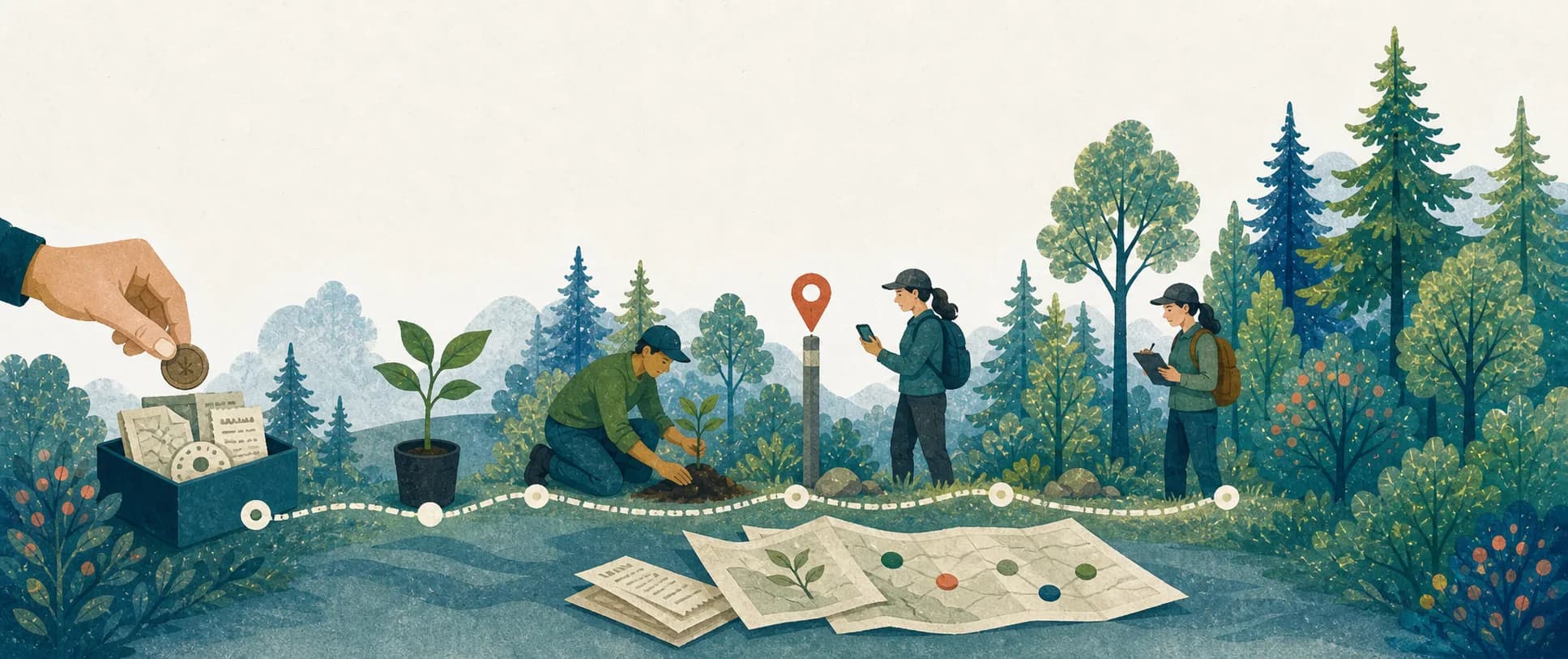
Verified tree planting connects funding to a documented project and follows planting with monitoring. Certificates are evidence, not a guarantee of permanence.
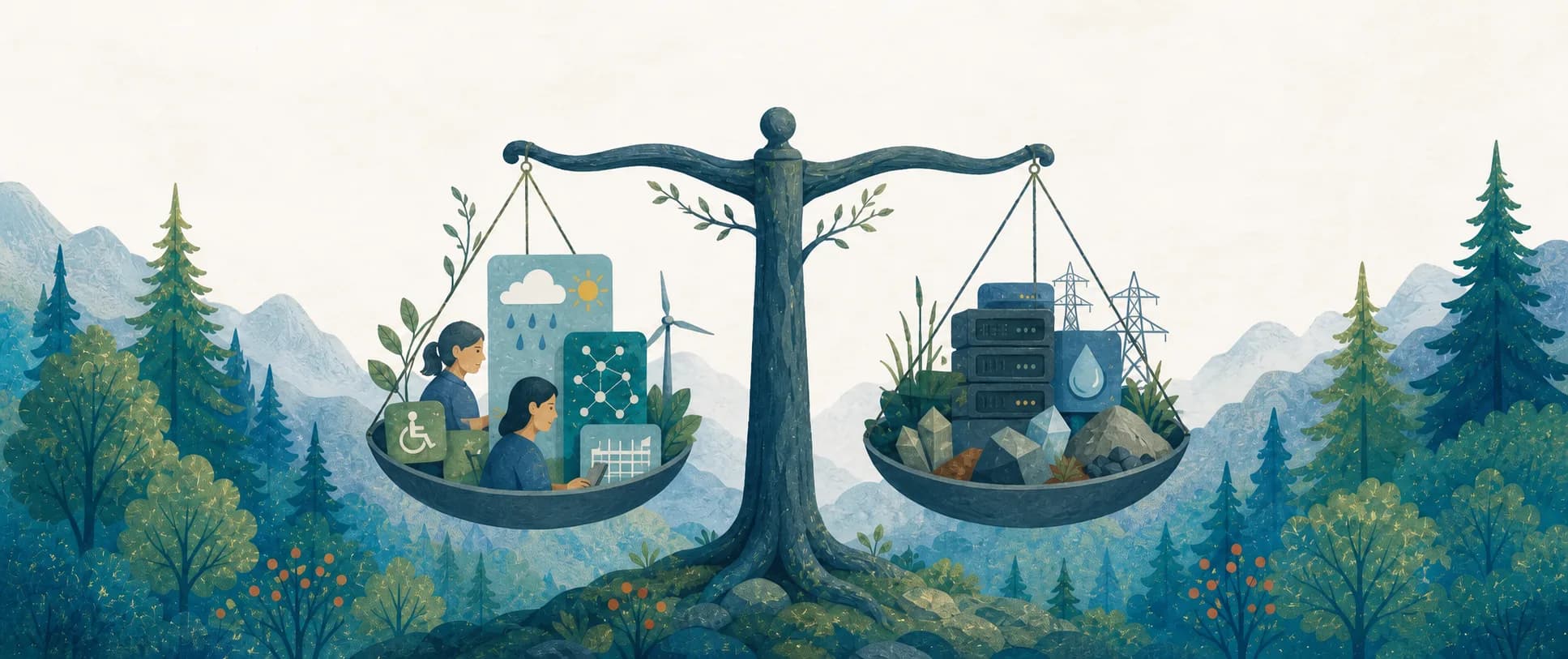
AI has real energy, water and material costs, but its impact varies widely. Here is what the evidence supports and what it does not.
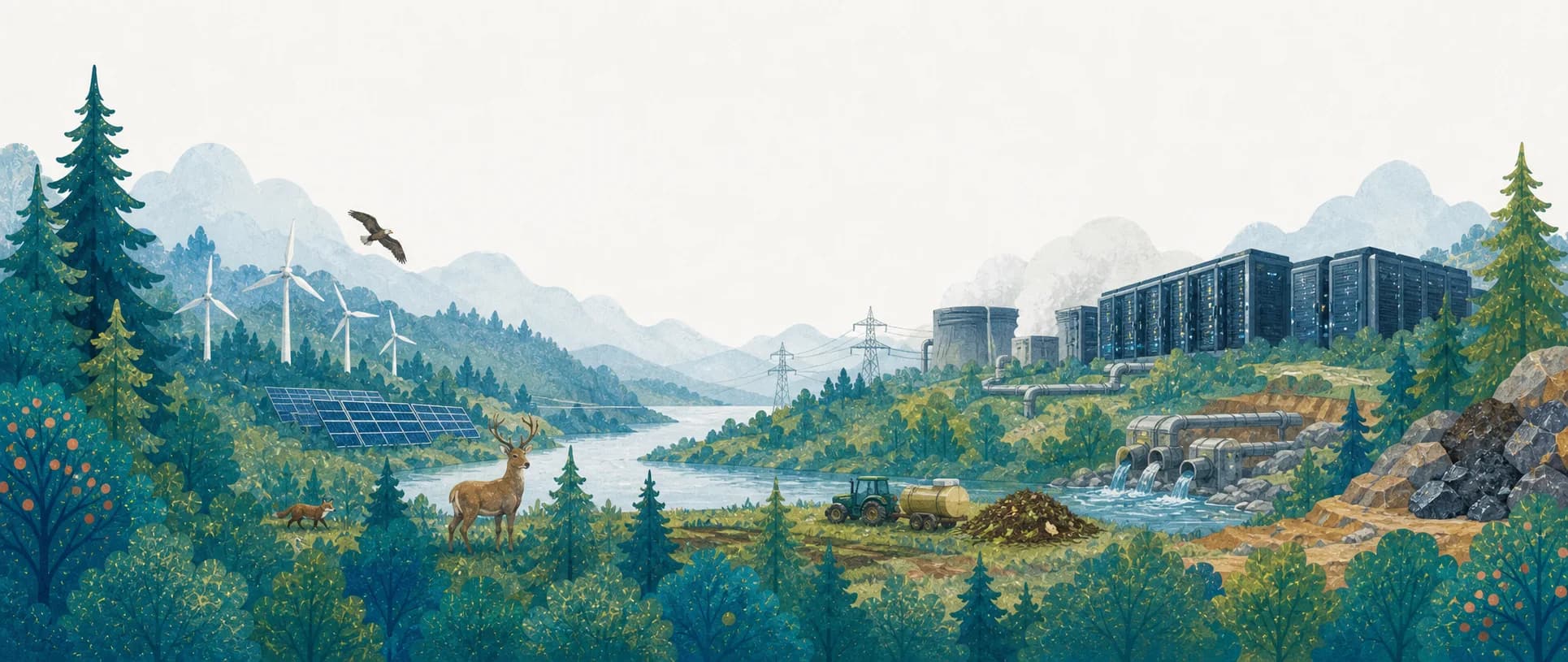
AI can support cleaner energy and cut waste, but benefits are not automatic. Learn how to separate evidence from green claims.

Generative AI can be resource-intensive, especially at scale. Here is how text, image and video systems create environmental impacts.

A mixture-of-experts model routes each token through selected specialist blocks, activating only part of a large network—but the efficiency story has caveats.
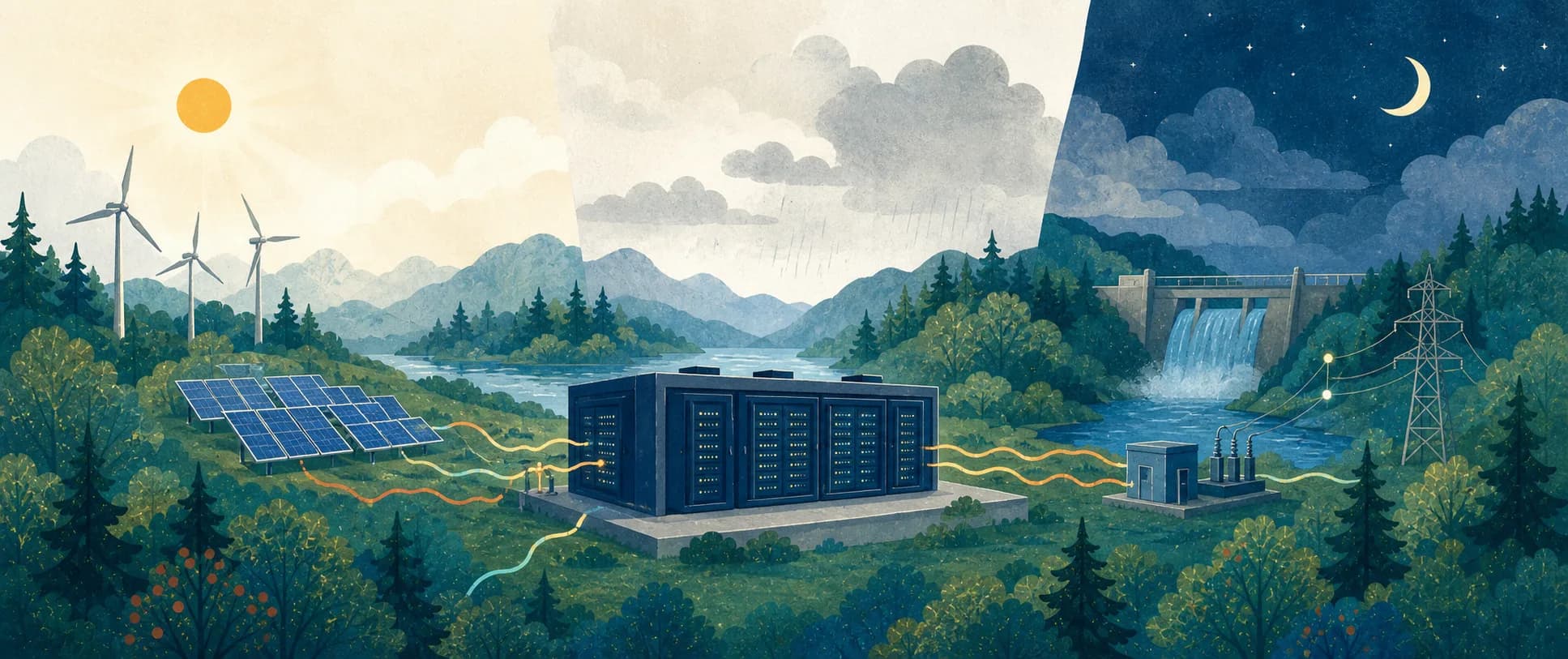
Renewables can cut AI's operational emissions, but annual matching is not round-the-clock clean power. Learn how data-centre electricity claims work.

Treechat uses smaller models, shows an estimated impact receipt and funds one tree each month for every paid member.

One ordinary AI text message likely uses a fraction of a watt-hour, but model, tokens, tools and accounting boundaries make the range wide.

Small language models use fewer parameters and less compute than large models, making them practical for focused tasks, local use and efficient AI services.
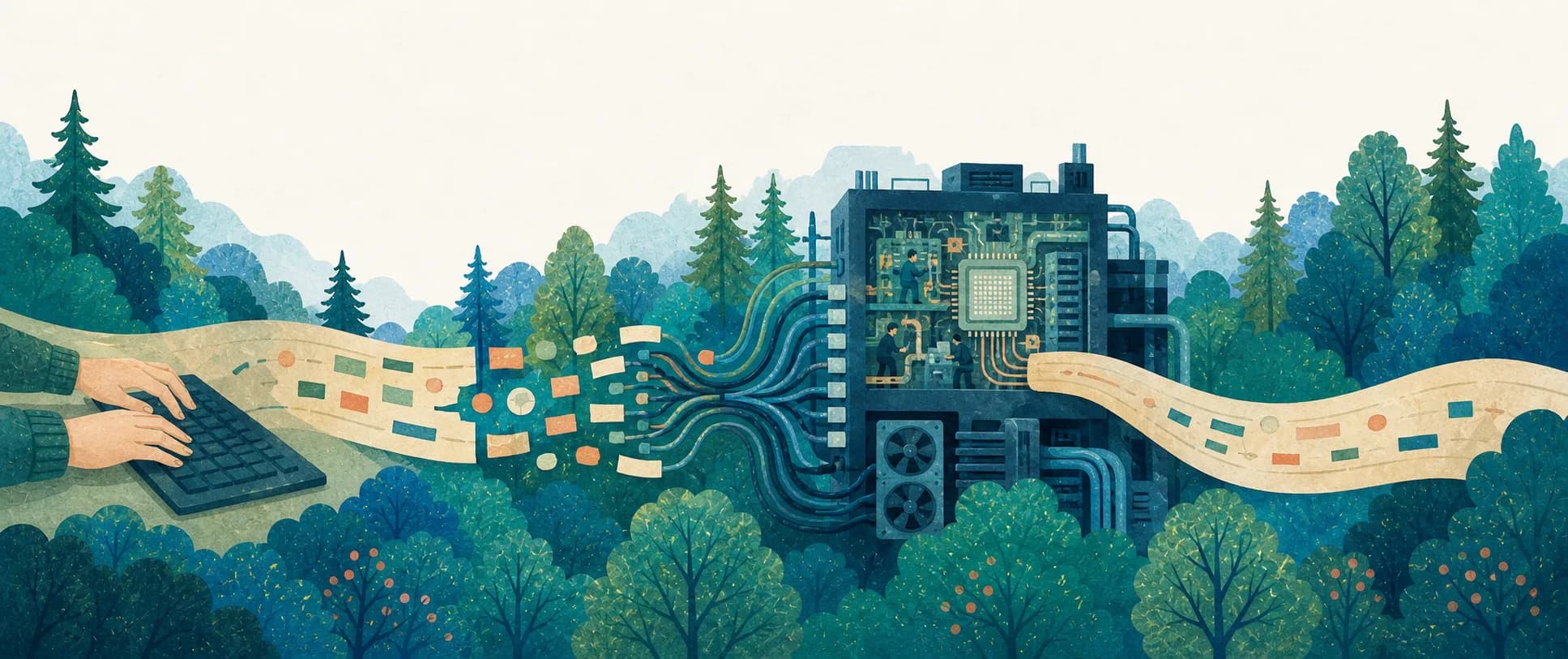
Follow an AI message from your screen through tokenisation, model routing, data-centre inference and streamed output—and see where energy is used.
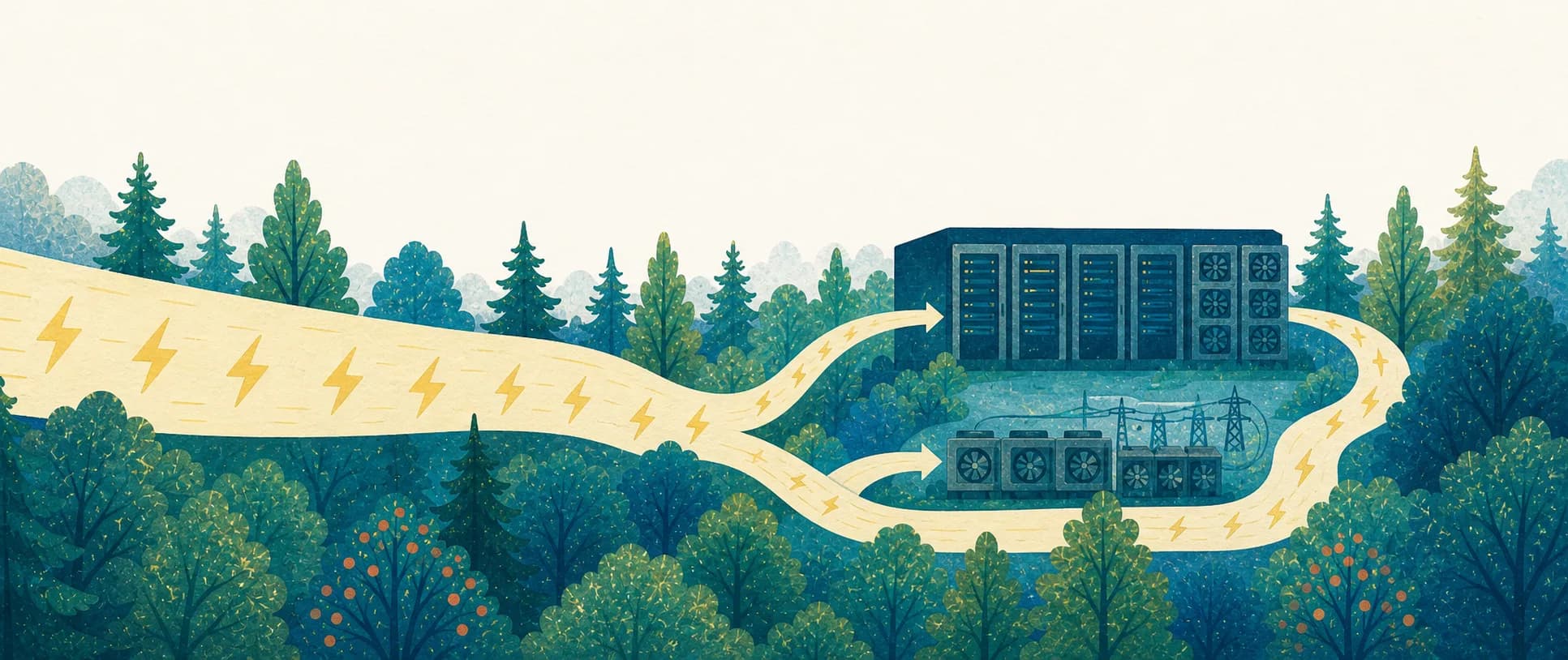
Power usage effectiveness shows how much data-centre energy supports IT versus cooling and power systems. Learn the formula and its limits.
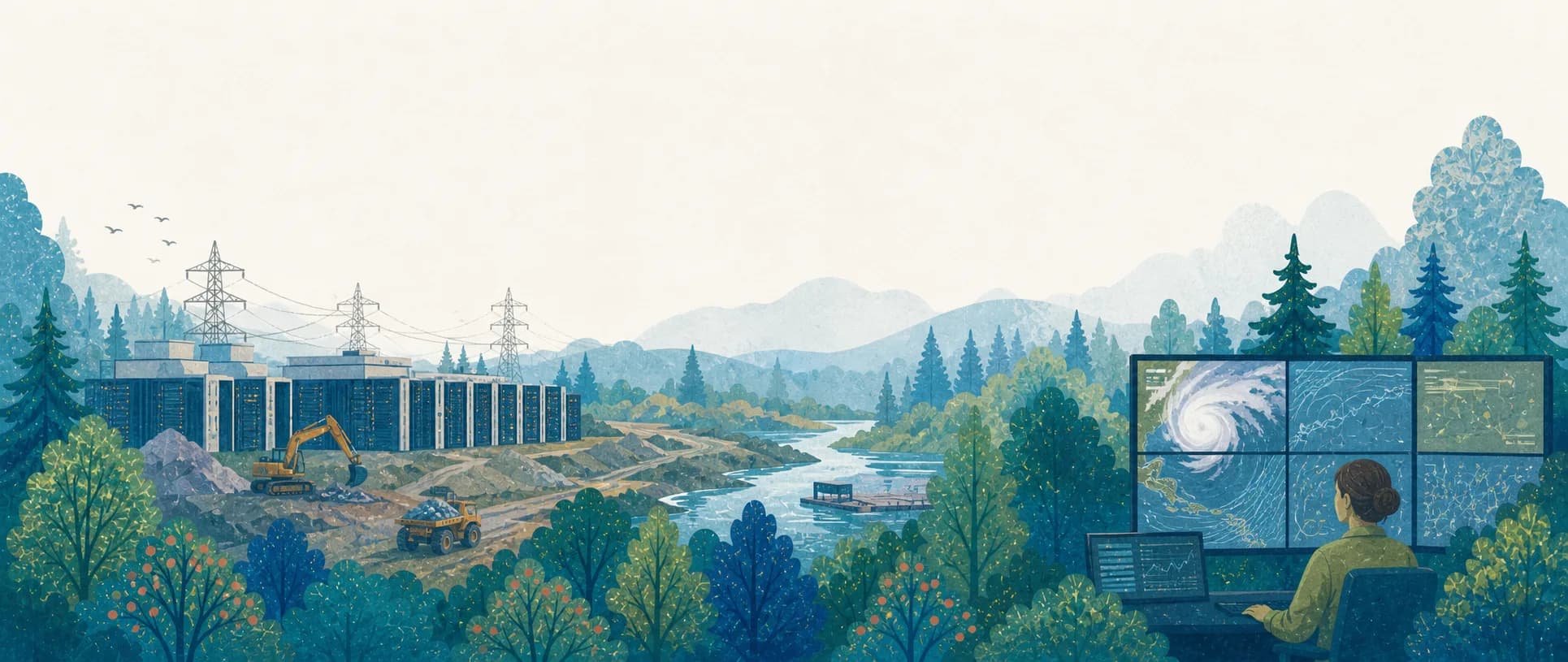
AI is increasing data-centre demand while enabling some environmental tools. Here is the current evidence, without treating forecasts as facts.
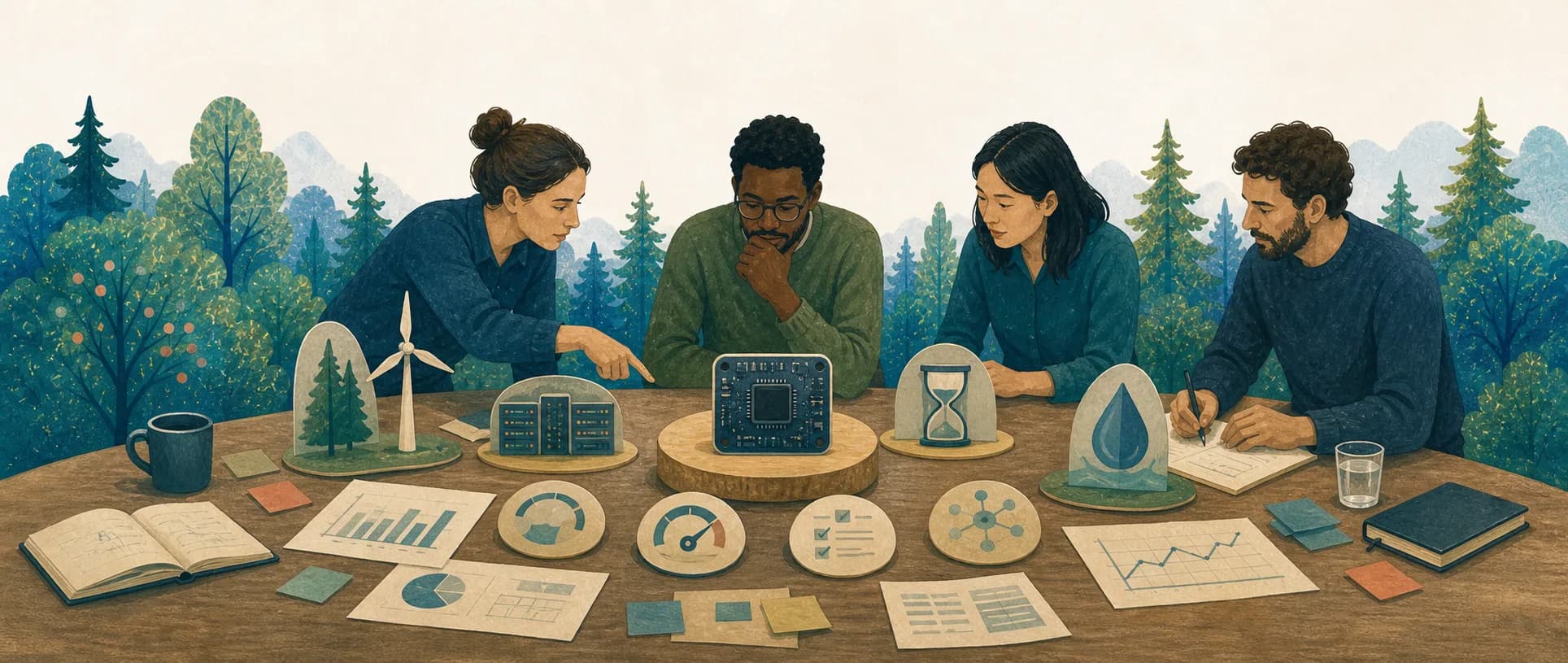
Green AI makes environmental efficiency a design and evaluation goal alongside capability. It covers energy, carbon, water and hardware across the life cycle.
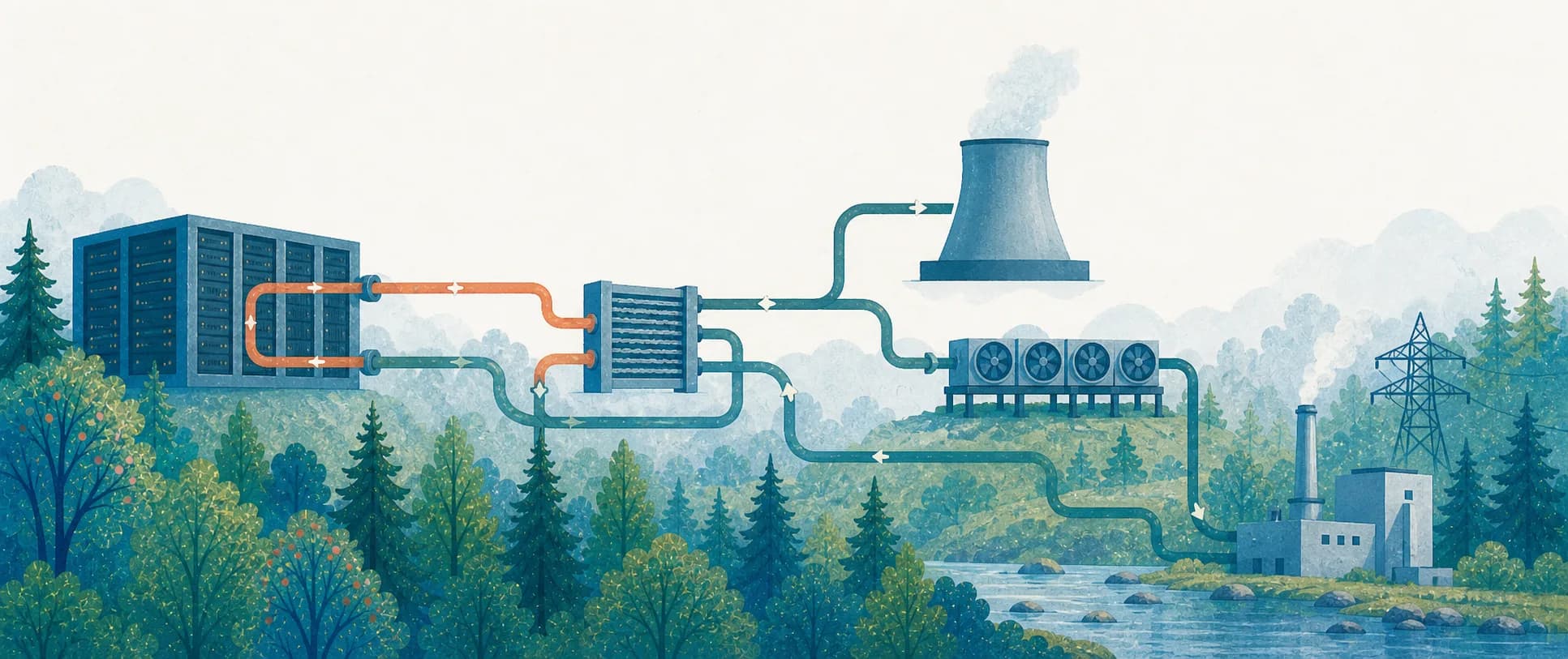
Data centres use water mainly to remove server heat, and indirectly through electricity. Learn how cooling systems change the trade-offs.
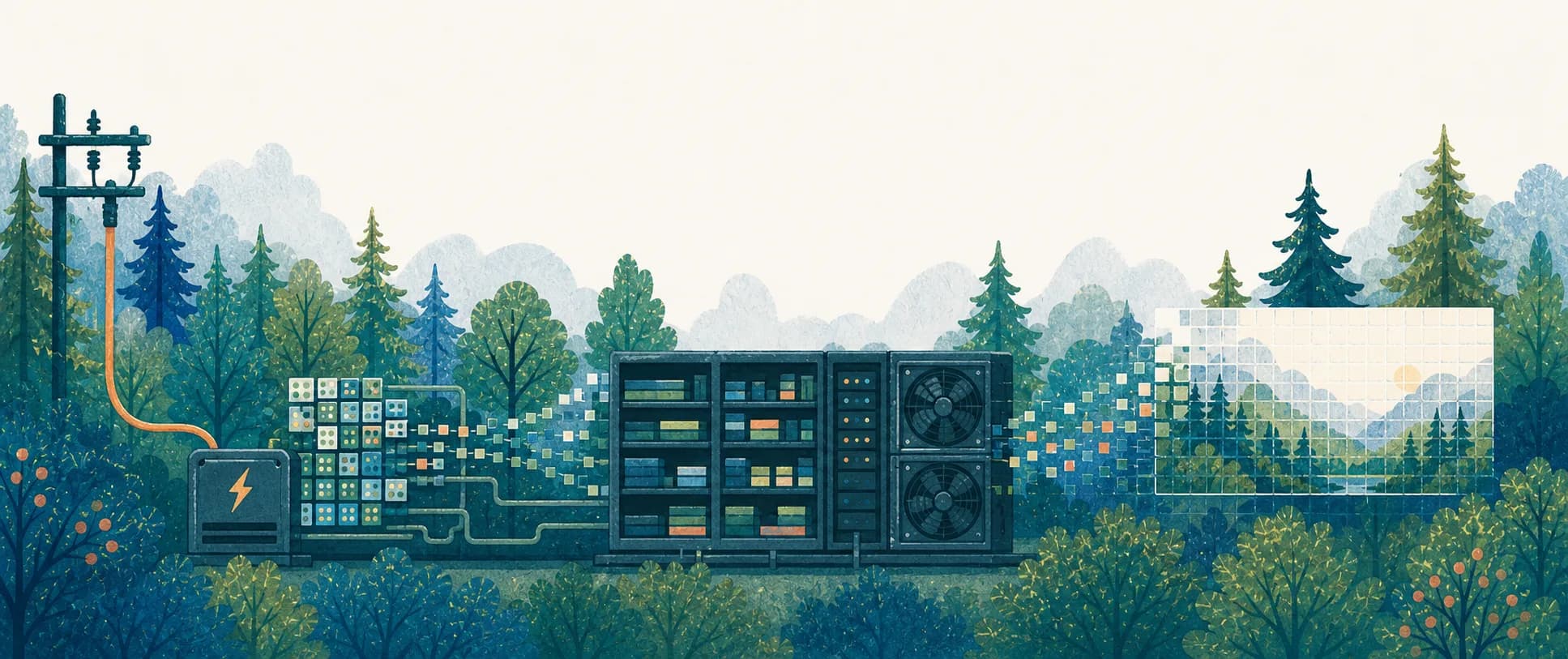
AI turns prompts into billions of calculations, moves model data through memory and runs inside power-hungry data centres. Here is where the energy goes.

A practical look at Ecosia AI, EcoGPT, GreenPT and Treechat—including where smaller models help and where they do not.